Jaw alignment issues in kids in Cumming, GA, may affect how the jaw and teeth develop if left untreated. Warning signs include uneven bites, crowded teeth, jaw popping, or trouble chewing and breathing. Early evaluation supports healthier development.
Keep reading to learn how to recognize the signs and find the right treatment.
What Are Jaw Alignment Issues in Children?
Jaw alignment issues happen when the upper and lower jaws or the teeth do not line up the way they should. Dentists and orthodontists often call this jaw misalignment or malocclusion. It may be mild, or it may be more serious.
There are two main types of alignment issues:
- Dental problems: These involve the teeth. Examples include crowding, spacing issues, tooth wear, or teeth that tip in or out.
- Skeletal problems: These involve the bones of the face and jaws. The upper or lower jaw may be too far forward, too far back, too narrow, or show other jaw discrepancies.
As kids grow, their teeth and jaws change. Healthy jaw growth patterns help the teeth and jaws come together in a balanced way. But if there are jaw development problems, the bite can become uneven. This can lead to bite misalignment such as overbite, underbite, crossbite, or open bite.
Common Types of Jaw Alignment Problems
Some jaw alignment problems are more common and can impact comfort and oral health.
Overbite and Overjet
An overbite happens when the upper front teeth cover too much of the lower front teeth when your child bites down. In some cases, the lower teeth are barely seen.
A related issue is an increased overjet, where the upper front teeth stick out far past the lower teeth. These bite problems can:
- Make it harder to bite into foods
- Increase the risk of front tooth wear and injury
- Affect your child’s smile and confidence
Underbite
An underbite happens when the lower teeth sit in front of the upper teeth. This is often linked to a lower jaw that is too large or an upper jaw that is too small. Over time, an underbite can:
- Cause jaw pain
- Lead to uneven tooth wear
- Make chewing and biting harder
Crossbite
A crossbite occurs when some of the upper teeth bite inside the lower teeth instead of outside. This can involve the front teeth, the back teeth, or both. Crossbites can:
- Cause uneven jaw growth and asymmetry in the face
- Create jaw shifting as your child tries to find a more comfortable bite
- Lead to extra wear on certain teeth
Open Bite
An open bite is present when the upper and lower front teeth do not touch when your child bites down, leaving a gap. This can make it hard to:
- Bite into foods like sandwiches or apples
- Form some sounds clearly, leading to speech difficulties or speech issues
Open bites are often tied to childhood habits such as thumb sucking, long-term pacifier use, or tongue thrust (when the tongue pushes forward between the teeth).
Signs and Symptoms to Watch for at Home
It can be hard to know what is “normal” as your child grows. Still, there are many clear red flag signs that you can look for. Early monitoring at home makes prevention and early care much easier.
Facial and Posture Signs
- Asymmetry in the face (one side looks different from the other)
- A chin that sticks out too far or seems too far back
- Mouth breathing or resting with the mouth open, even when calm
- Trouble closing the lips together without strain
These warning signs can point to jaw growth or jaw development problems that need a closer examination.
Dental Signs
- Crowding (not enough space for the teeth)
- Spacing issues, such as large gaps between teeth
- Teeth that do not meet well when your child bites down
- Teeth that tilt in odd directions
- Early or very delayed loss of baby teeth (eruption problems)
These signs may mean that the jaws and teeth are not working together in a balanced way.
Functional and Behavioral Signs
- Chewing problems, like taking a long time to chew or avoiding certain foods
- Speech issues, such as a lisp or trouble with certain sounds
- Jaw clicking or popping noises when opening or chewing
- Teeth grinding (bruxism), especially at night
- Jaw clenching, during the day or at night
- Frequent headaches, jaw soreness, or earaches
- Possible TMJ symptoms, like jaw stiffness or pain when opening
If you notice several of these symptoms, it may be time to schedule a consultation at our orthodontist office.
What Causes Jaw Alignment Issues in Kids?
Jaw alignment problems rarely have just one cause. Most children have several factors that work together. Common causes include:
Genetics and Family History
If a parent or close relative has an overbite, underbite, crossbite, or other bite misalignment, a child may be more likely to have similar jaw alignment concerns. Genetics can also influence how the jaws and teeth grow and fit. According to Dr. Nicole Crasto, a well-liked orthodontist in Liberty Township, OH, having parents or siblings with jaw problems means it’s a good idea to check your child’s jaw growth early.
Childhood Habits
Certain childhood habits can change jaw growth patterns:
- Thumb sucking or long-term pacifier use past age 3–4 can push teeth and jaws out of place. This may lead to an open bite, increased overjet, or other alignment issues.
- Tongue thrust, where the tongue pushes forward between the teeth during swallowing or at rest, can affect jaw alignment and front tooth position.
These habits are easier to correct at a younger age, which is why early intervention is so helpful.
Airway and Breathing Issues
Problems with the airway can also affect the jaws. Examples include:
- Airway obstruction from large tonsils or adenoids
- Chronic allergies and nasal congestion
These issues can lead to constant mouth breathing, which may change jaw growth and facial development over time.
Injury or Trauma
A fall, sports injury, or other trauma to the jaw can affect how the bones grow and fit together. In some cases, this can lead to long-term jaw discrepancies or jaw pain if not checked.
Why Early Evaluation Matters
Early evaluation and monitoring are some of the best tools parents have to protect a child’s smile and overall health. According to Dr. Granit Morina, a patient-focused orthodontist in Leominster, MA, a first jaw and bite check around age seven can catch growth problems early, when they are often easier and cheaper to fix.
Benefits of Early Intervention
- Early intervention can guide jaw growth while your child is still developing.
- It may reduce the need for more complex care, like jaw surgery, later in life.
- Early treatment options can improve chewing, speech, and even sleep.
- It supports healthy jaw alignment, better facial balance, and self‑confidence.
By checking for jaw alignment issues in the early school years, we can often prevent more serious bite misalignment and malocclusion in the teen years.
How We Evaluate Jaw Alignment in Cumming, GA
At Pediatric Dentistry of Forsyth & Orthodontics, we offer gentle, kid‑friendly examination and diagnosis for jaw and bite concerns.
Step 1: Review of Health and Habits
We start by talking with you and your child about:
- Any symptoms you have noticed
- Childhood habits such as thumb sucking, pacifier use, or tongue thrust
- Teeth grinding or jaw clenching during sleep
- History of injuries, allergies, or breathing issues
This helps us understand the “big picture” of your child’s development.
Step 2: Clinical Examination
Next, we perform a gentle examination of your child’s teeth, bite, and jaw. We look for:
- Asymmetry in the face or jaw
- Signs of bite misalignment, like overbite, underbite, or crossbite
- Patterns of tooth wear, crowding, or spacing issues
- Any jaw clicking, popping, or limited opening
We also watch how your child closes their teeth together and how the jaw moves.
Step 3: Imaging and Growth Monitoring
When needed, we use imaging tests to see more detail:
- Digital X‑rays to track teeth and eruption problems
- Growth records to watch jaw growth over time
- In some cases, 3D imaging or other scans may be used if there are complex jaw discrepancies or TMJ symptoms
We then create a custom treatment plan or monitoring schedule based on your child’s age and growth stage.
Treatment Options for Jaw Alignment Issues in Cumming, GA
At Pediatric Dentistry of Forsyth & Orthodontics, we offer child‑friendly treatment options for mild to advanced jaw alignment problems. Our goal is to guide jaw development while your child is still growing.
Growth‑Guiding Appliances
For growing children, we may use special tools that encourage better jaw growth:
- Palatal expanders to widen a narrow upper jaw and correct some crossbite problems, as well as help with crowding.
- Other functional appliances that help shift the jaw into a better position, especially in overbite or underbite cases.
These devices work best when your child is still growing, so timing and age matter.
Orthodontic Treatment
Some children also need direct orthodontic care from our orthodontist office:
- Braces move teeth into better spots and improve the bite, helping with many types of malocclusion and bite problems.
- Clear aligners may be an option for some older children and teens with mild to moderate alignment issues.
We design each plan to match your child’s needs and stage of development.
Managing TMJ Symptoms and Jaw Pain
If your child has tmj symptoms like jaw clicking, jaw pain, headaches, or jaw locking, we may recommend:
- Simple jaw rest and soft diet during flare‑ups
- Habit coaching to reduce teeth grinding or jaw clenching
- Referral for further TMJ evaluation if needed
Our focus is on gentle prevention and early care whenever possible.
Working With Other Specialists
Sometimes, jaw alignment issues are linked with other health concerns. We may work with:
- ENT doctors to check for airway obstruction or large tonsils
- Speech therapists to help with speech difficulties linked to bite or jaw position
- Other dental or medical providers if there are complex tmj symptoms or growth concerns
This team approach helps your child get complete, coordinated care.
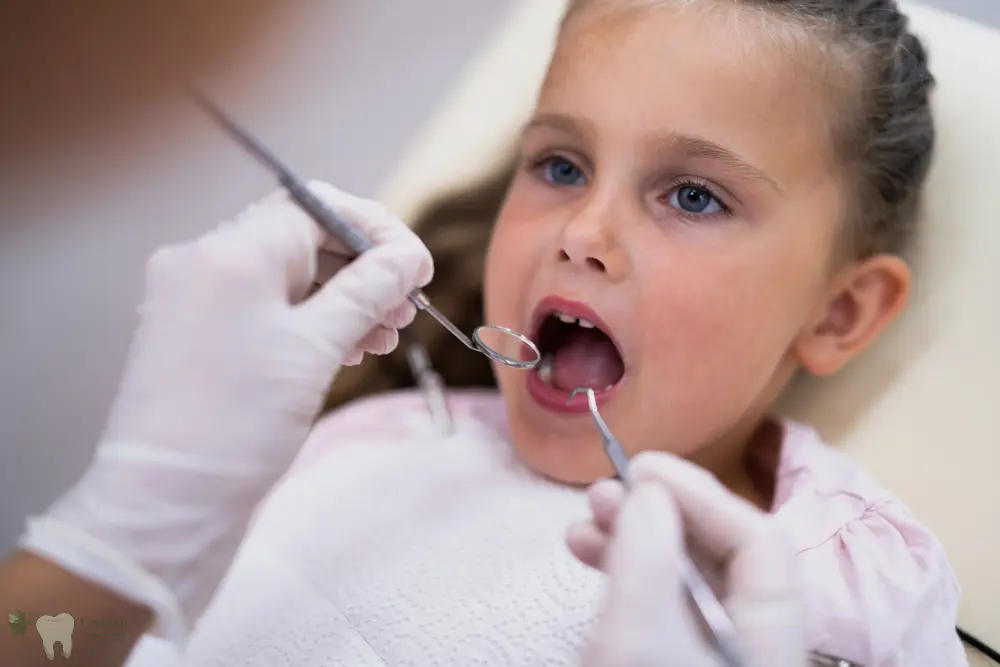
When Should Your Child See an Orthodontist?
You do not have to wait until all the adult teeth are in. In fact, many experts suggest an evaluation with an orthodontist by age 7. You should consider an earlier consultation if you notice:
- Early or very late loss of baby teeth (eruption problems)
- Ongoing mouth breathing or loud snoring
- Trouble chewing or biting into foods
- Clear overbite, underbite, or crossbite
- Frequent headaches, jaw soreness, or earaches
- Jaw shifting, jaw clicking, or episodes of jaw locking
- Obvious facial asymmetry or an uneven smile
During a visit at Pediatric Dentistry of Forsyth & Orthodontics in Cumming, GA, you can expect a gentle check, any needed X‑rays, and a clear talk about what we see. We explain the findings, possible treatment options, and whether simple monitoring or early intervention makes sense.
Schedule a Jaw Alignment Evaluation in Cumming, GA
If you have noticed red flag signs of jaw alignment issues in your child, it is a good idea to schedule an evaluation. At Pediatric Dentistry of Forsyth & Orthodontics in Cumming, GA, our team is trained in early detection, accurate diagnosis, and child‑focused treatment plans that guide healthy jaw growth.
Schedule your jaw and bite consultation. With timely early intervention, we can support proper jaw development, better function, and a confident, healthy smile for your child.
About the Authors
Dr. Karl Lugus – Pediatric Dentist in Cumming, GA
Dr. Granit Morina – Orthodontist in Leominster and Gardner, MA
Frequently Asked Questions
Is Invisalign covered by insurance for kids?
Invisalign coverage for children depends on your dental insurance plan. Many plans include some orthodontic benefits that may help cover Invisalign, especially if treatment is considered necessary for your child’s dental health. The best way to know for sure is to contact your insurance provider and ask about orthodontic coverage for kids.
How much does it cost to get Invisalign for kids?
The cost of Invisalign for children usually ranges from about $3,000 to $5,000. The final price depends on factors like how complex the case is, how long treatment lasts, and the orthodontist’s experience. Your orthodontist can give you a clear estimate and explain payment plans or financing options to help manage the cost.
Is TMJ common in children?
TMJ disorders are less common in children than in adults, but they can still happen. Kids may develop TMJ symptoms from teeth grinding, jaw clenching, or jaw injuries. If your child has jaw pain, clicking, or trouble chewing, it’s a good idea to have them checked by a dentist or healthcare provider for proper evaluation and care.