
Curious about fluoride safety for children in Cumming, GA? This guide from Pediatric Dentistry of Forsyth & Orthodontics explains how fluoride helps protect teeth, ensures oral health, and fits into a safe dental care routine for kids.

What Is Fluoride and Why Do Kids Need It?
Fluoride is a natural mineral found in drinking water, soil, and even some foods. It strengthens tooth enamel, the hard outer shell that protects teeth. When enamel is strong, it fights off cavities and damage from acids. As Dr. Emily Funk-Reynolds, a board-certified orthodontist in Chester Springs, PA, explains, fluoride not only strengthens enamel but also promotes the repair of small weak spots caused by early decay.
Used in the right dose, fluoride works like a shield. It blocks acids from harming enamel and supports remineralization, the natural process that repairs weak spots. That is why most experts support water fluoridation and safe fluoride products at home.
Is Fluoride Safe for Kids?
Many parents worry about fluoride side effects or toxicity. The truth is, when used properly, fluoride is safe and very effective.
- Community water fluoridation uses a very small, controlled amount. This makes it safe for daily use.
- Studies show fluoride provides more benefits than risks when used as recommended.
- Fluorosis is the most common concern. Mild cases show faint white lines on teeth but do not harm overall dental health.
To stay safe, follow these guidelines for fluoride toothpaste:
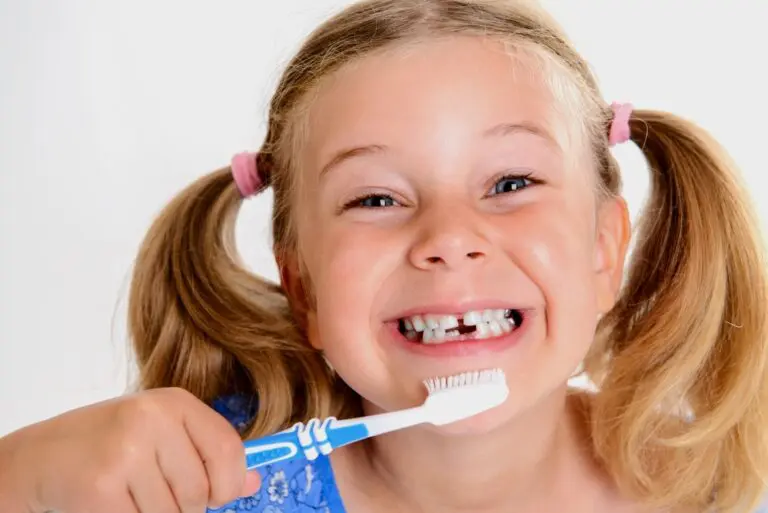
- Under age 3: Use a tiny smear, the size of a grain of rice.
- Ages 3–6: Use a pea-sized amount and supervise brushing to limit swallowing.
These precautions lower the chance of enamel fluorosis and still protect against childhood caries.
How Fluoride Protects Children’s Dental Health
Fluoride is one of the best tools for fighting cavities in kids. Studies show that communities with fluoridated water, like those in Georgia, have lower rates of tooth decay and better tooth enamel strength.
Fluoride helps by:
- Strengthening enamel during tooth development
- Repairing small weak spots caused by acid attacks
- Supporting remineralization, which reverses early signs of decay
Children who grow up drinking fluoridated tap water and brushing with fluoride toothpaste often have fewer dental health problems later in life.
Fun Fact: Fluoride also helps protect local diets that include sugary snacks or juices. It reduces acid damage caused by these foods.
The Role of Fluoride in Childhood Development
Healthy teeth help kids chew properly, speak clearly, and smile confidently. According to trusted smile expert Dr. Viecilli at Limestone Hills Orthodontics in Austin, TX, early fluoride use is key to building teeth strong enough to last through all stages of life. Poor dental health can cause missed school days due to tooth pain or cavities. Fluoride ensures healthy teeth by:
- Preventing cavities in baby teeth and early childhood caries
- Supporting tooth development during infancy
- Building a strong foundation for adulthood
By focusing on fluoride use early, parents can set their kids up for long-term oral health and decay protection.
Choosing and Using Fluoride Toothpaste Safely
The right toothpaste matters. Many brands offer fluoride toothpaste made for children, with lower dose levels to match their needs.
How to use it by age:
- Under 3: A thin smear on baby teeth and gums — about the size of a grain of rice.
- Ages 3–6: A pea-sized amount. Supervise brushing and make sure they spit instead of swallowing.
Teach kids to brush in small circles and cover all tooth surfaces. Add flossing once teeth touch. Good oral hygiene habits early on support a lifetime of healthy teeth.
Practical Tips for Parents
Good fluoride use and oral hygiene start at home. Here are easy tips to protect your child’s teeth:
- Brush twice a day with fluoride toothpaste to prevent cavities.
- Add flossing once your child’s teeth touch.
- Limit sugary snacks that can wear down tooth enamel.
- Use fluoride products recommended by your dentist, like mouthwash, gels, or varnishes.
- Schedule regular checkups to include fluoride treatments or sealants.
Pediatric dentists may also recommend foam treatments, fluoride varnishes, and fluoride rinses to give extra decay protection.
When Should You Consult Your Dentist?
Reach out to your dentist if you notice:
- White or brown spots on your child’s teeth (possible early signs of fluorosis or decay)
- Toothaches, pain, or frequent cavities
- Questions about fluoride intake or safety, especially if you rely on well water or non-fluoridated water
Your child’s dentist can review your water supply report, provide fluoride exposure suggestions, and address any concerns you may have about fluoride safety.
What to Look For in a Dentist
When choosing a dentist, look for:
- Experience with fluoride treatments and preventive dentistry
- Knowledge of fluoride side effects, toxicity, and safe dose limits
- Flexible consultation and scheduling options for busy families
- Commitment to education for both parents and children

Why Choose Pediatric Dentistry of Forsyth & Orthodontics?
Families in Cumming, GA, trust Pediatric Dentistry of Forsyth for safe, reliable dental care. Here’s why:
- Safety first: We follow ADA guidelines for fluoride use
- Expert care: Our team is trained in children’s tooth development and preventive dentistry
- Custom plans: We create fluoride intake and decay protection plans for every age
- Education: We teach families about proper brushing, flossing, and safe fluoride exposure
Build a Safe Fluoride Plan Today
Give your child the best start to lifelong dental health. Regular fluoride treatments plus good oral hygiene keep smiles strong.
Schedule your child’s appointment today with Pediatric Dentistry of Forsyth & Orthodontics. Our team will review your water supply, recommend the right fluoride products, and create a custom plan for childhood and beyond.
About the Authors
Dr. Karl Lugus – Pediatric Dentist in Cumming, GA
Dr. Emily Funk-Reynolds – Orthodontist in Chester Springs, PA
Frequently Asked Questions
What age is fluoride safe for kids?
Fluoride is safe for kids once their first tooth comes in, usually around 6 months old. Use a tiny smear of toothpaste, about the size of a grain of rice, until age 3. After that, use a pea-sized amount. Always watch your child while they brush to make sure they spit and don’t swallow. If you are unsure, ask your dentist for advice.
Should I use fluoride free for kids?
Fluoride helps prevent cavities, but some parents choose fluoride-free toothpaste for young kids who still swallow toothpaste. If you’re thinking about skipping fluoride, ask your child’s dentist first. They can help you decide what’s best for your child’s teeth. No matter what you use, the most important thing is brushing every day and building good habits early.
Is fluoride treatment at the dentist worth it?
Yes, fluoride treatments are often worth it. They are quick, painless, and give extra protection against cavities. Think of it as a shield for your teeth. It can be very helpful for kids or adults who get cavities easily. It’s usually low-cost and can prevent bigger dental problems later. If your dentist recommends it, it’s a smart choice.