A pediatric dentistry team walks Cumming parents through the causes, warning signs, and simple daily habits that protect a child’s first teeth.
Baby bottle decay can start before a parent even notices it, often from routine habits like a bedtime bottle or a sippy cup filled with juice. The good news is that it is almost always preventable with a few consistent daily habits. This guide walks through what causes it, the early signs to watch for, and the steps that protect a child’s first teeth from the very beginning.
Baby bottle tooth decay happens when sugars from milk, formula, or juice sit on a baby’s teeth for long periods, often from bedtime bottles or frequent sipping. It is prevented by avoiding sugary bedtime bottles, cleaning gums and teeth daily, introducing a cup early, and scheduling a first dental visit by age one. Caught early, it is treatable and rarely leads to lasting damage.
At Pediatric Dentistry and Orthodontics of Forsyth in Cumming, GA, Dr. Karl and Dr. Nick lead a team that sees early childhood caries in very young patients on a regular basis, and the pattern behind it is almost always the same.
This guide reflects the feeding, cleaning, and scheduling habits the practice recommends to parents in Cumming, along with input from orthodontists outside the practice on how early decay habits connect to a child’s bite as they grow.
None of it requires special equipment or a complicated routine. It comes down to a handful of habits, repeated consistently, from a baby’s first months.
What Is Baby Bottle Decay?
Baby bottle tooth decay, also known as early childhood caries, bottle decay, or nursing caries, happens when cavities form in a child’s teeth. It is mainly caused by frequent and long contact with sugars found in breastmilk, infant formula, fruit juice, and other sweet drinks. When babies drink from bottles or sippy cups, these sugars mix with bacteria in the mouth and create acids that attack the enamel. Over time, this can lead to soft spots, cavities, and even chipped or broken teeth.
Protecting baby teeth matters for a child’s overall health and development. Baby teeth help with chewing food, learning to speak clearly, and holding space for adult teeth to grow in the right position. Keeping baby teeth healthy supports proper mouth development and helps prevent dental problems later on.
What Causes Baby Bottle Decay?
Cavity prevention starts with knowing what raises a child’s risk of decay:
- Bedtime bottles. If a baby falls asleep with a bottle or sippy cup filled with milk, juice, or formula, tooth decay can begin.
- Sugary drinks. Juice, flavored milk, and sweetened waters feed bacteria in the mouth.
- No teeth cleaning after feeding. Without brushing or gum cleaning, bacteria and sugars stick around, making more acids and plaque.
- Frequent snacks. Lots of sweet snacks between meals raise the risk for cavities.
- Missing brushing and flossing. Poor oral hygiene means more bacteria on the enamel.
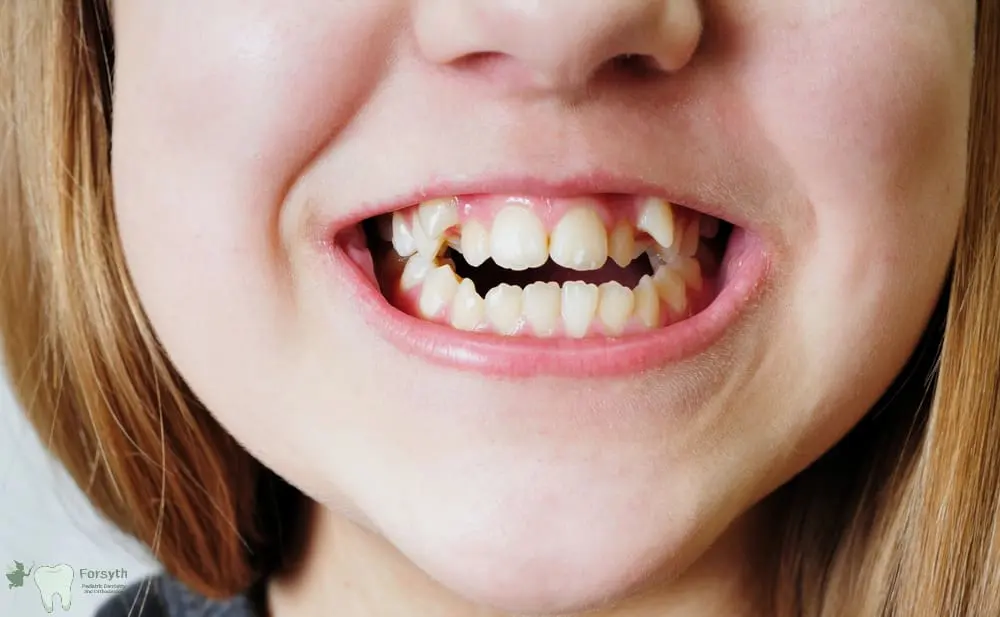
Unhealthy care habits, like bedtime bottles and skipping teeth cleaning, are what cause baby bottle tooth decay to start early. As Dr. Cameron Freelove, a highly rated orthodontist in Kent, WA, points out, these same habits can also lead to crowded or crooked teeth that may need braces later.
Signs of Baby Bottle Decay to Watch For
Look for these early signs in a child’s smile:
- White spots or lines along the gumline. These are early warnings.
- Yellow or brown stains on the front teeth or near the gums.
- Small holes, pits, or broken baby teeth.
- Crying, fussing, or pulling away during feeding. This might mean tooth pain.
- Sensitivity or irritability when eating or brushing.
If any of these show up, call your dentist in Cumming, GA, right away. Fast care helps stop decay from getting worse.
How to Prevent Baby Bottle Decay
Preventing bottle decay is simple once the basic habits are in place.
1. Better feeding practices. Avoid putting a baby to bed with a bottle or sippy cup filled with milk, breast milk, formula, juice, or any sweet drink. If a bottle at bedtime is needed, use only plain water. According to Dr. Leonardo Koerich, a trusted family orthodontist in Charlotte, NC, plain water before bed is always safe, while sweet drinks raise the risk of tooth decay. Never dip a pacifier in honey, sugar, or sweet liquids.
2. Clean your baby’s mouth every day. Daily oral care matters even before teeth appear. Gently wipe a baby’s gums with a soft, damp cloth after each feeding. When the first tooth comes in, start brushing with a baby toothbrush and a small smear of fluoride toothpaste, twice a day, using gentle circular motions. After age two, start flossing once teeth begin touching.
3. Introduce a cup early. Moving from bottles to cups reduces the risk of decay. Introduce a sippy cup between 6 and 12 months of age, and move to an open cup by 12 to 18 months. Between meals, offer only water in sippy cups and avoid fruit juice or sweet drinks.
4. Choose healthy foods and drinks. Offer snacks like cheese, yogurt, and fruit instead of cookies, candy, or gummy treats. Limit sweet drinks and choose tap water when available, especially if it contains fluoride. Provide breast milk or formula during meals and snacks rather than for comfort throughout the day or at bedtime.
Prevention Habits by Age
| Age Range | What to Do | Why It Helps |
| Birth to first tooth | Wipe gums with a soft, damp cloth after feedings | Removes sugars and bacteria before teeth even appear |
| First tooth to age 2 | Brush twice daily with a smear of fluoride toothpaste; bedtime bottles should contain only water | Fluoride protects new enamel; water removes the main decay trigger at bedtime |
| 6 to 12 months | Introduce a sippy cup | Begins the shift away from prolonged bottle sipping |
| 12 to 18 months | Move to an open cup | Further limits prolonged sugar contact with teeth |
| Age 2 and up | Begin flossing once teeth touch; keep up twice-daily brushing | Removes plaque that brushing alone can’t reach |
When Home Prevention for Baby Bottle Decay Isn’t Enough
Most cases of baby bottle tooth decay respond well to the habits above, especially when they start early. But home prevention alone isn’t enough once decay has already begun.
The signs described earlier, white spots, stains, holes, or pain during feeding, mean it’s time to call the dentist rather than wait and see if the habits catch up. A child who cries or pulls away during feeding may already be uncomfortable, and delaying care can let a small problem turn into a cavity that needs a filling or crown. Parents juggling a busy feeding schedule sometimes miss the early signs, which is normal, and it’s exactly why regular dental visits exist as a backup to home care.
What a Preventive Visit Can (and Can’t) Do
A preventive dental visit is built to catch problems early and teach parents good habits, but it isn’t a substitute for what happens at home between visits, and it can’t undo decay that has already progressed.
A checkup can spot white spots or early enamel changes before they become cavities, show parents the right brushing and flossing technique for their child’s age, and apply fluoride varnish to strengthen enamel that’s already showing early wear. A checkup can’t replace daily brushing, cleaning, and mindful feeding habits at home, reverse a cavity once it has fully formed (a filling or crown is needed instead), or guarantee a decay-free mouth if bedtime bottles or sugary drinks continue between visits.
Being upfront about this is part of why the daily habits described earlier in this guide matter as much as the checkup itself.
What to Expect During a Visit at Pediatric Dentistry and Orthodontics of Forsyth
A preventive visit for a young child at Pediatric Dentistry and Orthodontics of Forsyth in Cumming, GA, is built to be quick and low-stress for both parent and baby.
- The team examines your child’s teeth and gums for early signs of decay, white spots, or enamel changes.
- You’ll get hands-on guidance on cleaning technique, along with recommendations on the right toothbrush and fluoride toothpaste amount for your child’s age.
- If early decay is found, the team can walk you through options like fluoride varnish, a small filling, or a stainless steel crown, whichever fits the situation.
- You leave with a specific plan for your child rather than a generic handout.
Frequently Asked Questions
Can breastfed babies develop tooth decay?
Yes. Breast milk contains natural sugars, and frequent night feedings without cleaning the gums or teeth can raise the risk of tooth decay, similar to formula or juice. Gently cleaning a baby’s mouth after feedings helps reduce this risk.
Should I clean my baby’s gums before teeth appear?
Yes, cleaning a baby’s gums after feedings is recommended even before teeth emerge. This simple habit removes sugars and bacteria, supports healthy oral development, and makes the transition to brushing easier once teeth come in.
What drinks are safe for babies at bedtime?
Plain water is the safest choice for bedtime bottles or sippy cups. Water rinses away sugars and acids and protects a baby’s teeth from decay overnight.
Does baby bottle decay affect a child’s permanent teeth?
Baby teeth hold space for permanent teeth to come in correctly, so significant decay or early tooth loss can affect that spacing. This is a general dental principle rather than a claim specific to any one case, and a dentist can assess a specific child’s situation directly.
Is baby bottle decay treated differently from a regular cavity?
The underlying process, sugar, bacteria, and acid wearing down enamel, is the same. The name reflects the feeding pattern that typically causes it in infants and toddlers, not a different disease. Treatment options depend on how far the decay has progressed, from fluoride varnish for early spots to fillings or crowns for larger cavities.
Sources. American Academy of Pediatric Dentistry guidance on early childhood caries and the recommended timing of a child’s first dental visit, stated qualitatively. Clinical observations and patient guidance from Pediatric Dentistry and Orthodontics of Forsyth, Cumming, GA. Additional professional input from Dr. Cameron Freelove, Freelove Orthodontics, Kent, WA, and Dr. Leonardo Koerich, Koerich Orthodontics, Charlotte, NC.
Related Reading
Give Your Child’s Smile a Healthy Start
At Pediatric Dentistry and Orthodontics of Forsyth in Cumming, GA, a first or routine dental visit covers a gentle exam, early baby bottle decay screening, and personalized feeding and cleaning tips for your child’s age.
Schedule Your Free Consultation
Free consultation for new patients.