A pediatric dentistry team explains the warning signs, common causes, and early evaluation steps that help guide a child’s jaw growth.
Jaw alignment issues often show up quietly, as an uneven bite, a chin that looks slightly off, or a child who avoids certain foods. Left alone, they can affect how the jaw and teeth develop, which is why spotting them early matters. This guide covers the types of bite problems, the signs parents can watch for at home, what causes them, and how an early evaluation works for families in Cumming.
Jaw alignment issues in kids happen when the upper and lower jaws or the teeth do not line up the way they should. Common warning signs include an uneven bite, crowded teeth, jaw popping, mouth breathing, and trouble chewing. Many experts suggest a first orthodontic evaluation by age 7, since an early check can guide jaw growth while a child is still developing.
At Pediatric Dentistry and Orthodontics of Forsyth in Cumming, GA, Dr. Nick and Dr. Spaulding lead a team that offers gentle, kid-friendly examination and diagnosis for jaw and bite concerns.
This guide reflects the practice’s evaluation process, along with input from board-certified orthodontists at Queen City Orthodontics and Smile Orthodontics on family history and timing.
No single sign on this list is a diagnosis by itself. An exam is what tells a harmless quirk apart from a growth pattern worth guiding.
What Are Jaw Alignment Issues in Children?
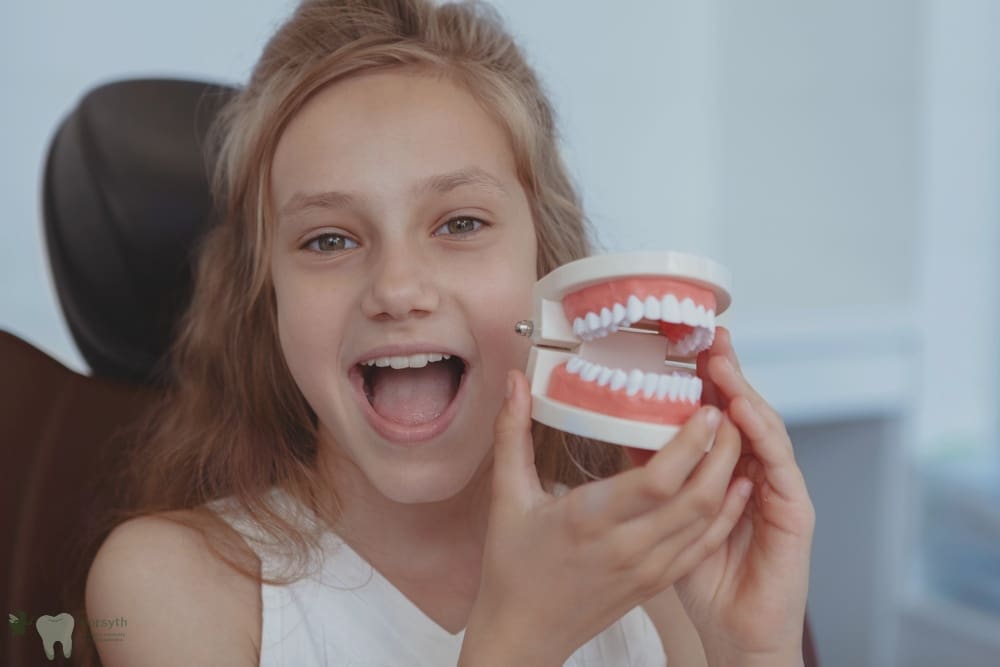
Jaw alignment issues happen when the upper and lower jaws or the teeth do not line up the way they should. Dentists and orthodontists often call this jaw misalignment or malocclusion, and it can be mild or more serious.
There are two main types. Dental problems involve the teeth, such as crowding, spacing issues, tooth wear, or teeth that tip in or out. Skeletal problems involve the bones of the face and jaws, where the upper or lower jaw may sit too far forward, too far back, or be too narrow.
As kids grow, their teeth and jaws change. Healthy growth patterns help the teeth and jaws come together in a balanced way. When jaw development problems get in the way, the bite can become uneven, leading to an overbite, underbite, crossbite, or open bite.
Common Types of Jaw Alignment Problems
An overbite happens when the upper front teeth cover too much of the lower front teeth, and an increased overjet means the upper front teeth stick out well past the lower ones. An underbite means the lower teeth sit in front of the upper teeth. A crossbite means some upper teeth bite inside the lower teeth, involving the front teeth, the back teeth, or both. An open bite leaves a gap between the upper and lower front teeth when a child bites down. The table later in this guide shows what each one can cause.
Signs and Symptoms to Watch for at Home
It can be hard to know what is normal as a child grows. Still, there are clear red flag signs to look for, and early monitoring at home makes prevention and early care much easier.
Facial and Posture Signs
- Asymmetry in the face, where one side looks different from the other
- A chin that sticks out too far or seems too far back
- Mouth breathing, or resting with the mouth open even when calm
- Trouble closing the lips together without strain
These signs can point to jaw growth or development problems that need a closer look.
Dental Signs
- Crowding, meaning not enough space for the teeth
- Spacing issues, such as large gaps between teeth
- Teeth that do not meet well when a child bites down
- Teeth that tilt in odd directions
- Early or very delayed loss of baby teeth, which are eruption problems
These signs may mean the jaws and teeth are not working together in a balanced way.
Functional and Behavioral Signs
- Chewing problems, like taking a long time to chew or avoiding certain foods
- Speech issues, such as a lisp or trouble with certain sounds
- Jaw clicking or popping when opening or chewing
- Teeth grinding (bruxism), especially at night
- Jaw clenching, during the day or at night
- Frequent headaches, jaw soreness, or earaches
- Possible TMJ symptoms, like jaw stiffness or pain when opening
If several of these symptoms show up together, it may be time to schedule a consultation at an orthodontist’s office.
What Causes Jaw Alignment Issues in Kids?
Jaw alignment problems rarely have just one cause. Most children have several factors working together.
Genetics and Family History
If a parent or close relative has an overbite, underbite, crossbite, or other bite misalignment, a child may be more likely to have similar concerns. Genetics can also influence how the jaws and teeth grow and fit together. Having parents or siblings with jaw problems means it’s a good idea to check your child’s jaw growth early.
Childhood Habits
Thumb sucking or long-term pacifier use past age 3 to 4 can push teeth and jaws out of place, which may lead to an open bite, increased overjet, or other alignment issues. Tongue thrust, where the tongue pushes forward between the teeth during swallowing or at rest, can also affect jaw alignment and front tooth position. These habits are easier to correct at a younger age, which is why early intervention helps.
Airway and Breathing Issues
Airway obstruction from large tonsils or adenoids, along with chronic allergies and nasal congestion, can lead to constant mouth breathing. Over time, that may change jaw growth and facial development.
Injury or Trauma
A fall, sports injury, or other trauma to the jaw can affect how the bones grow and fit together. In some cases, this leads to long-term jaw discrepancies or jaw pain if it isn’t checked.
Why Early Evaluation Matters
Early evaluation and monitoring are some of the best tools parents have to protect a child’s smile and overall health. According to Dr. Granit Morina, a board-certified orthodontist at Smile Orthodontics in Gardner and Leominster, MA, a first jaw and bite check around age seven can catch growth problems early, when they are often easier and cheaper to fix.
The benefits of early intervention add up:
- It can guide jaw growth while a child is still developing.
- It may reduce the need for more complex care, like jaw surgery, later in life.
- Early treatment can improve chewing, speech, and even sleep.
- It supports healthy jaw alignment, better facial balance, and self-confidence.
Checking for jaw alignment issues in the early school years often prevents more serious bite misalignment and malocclusion in the teen years.
Treatment Options for Jaw Alignment Issues in Cumming, GA
Pediatric Dentistry and Orthodontics of Forsyth offers child-friendly treatment options for mild to advanced jaw alignment problems, with the goal of guiding jaw development while a child is still growing.
Growth-Guiding Appliances
For growing children, palatal expanders can widen a narrow upper jaw, correct some crossbite problems, and help with crowding. Other functional appliances help shift the jaw into a better position, especially in overbite or underbite cases. These devices work best while a child is still growing, so timing and age matter.
Orthodontic Treatment
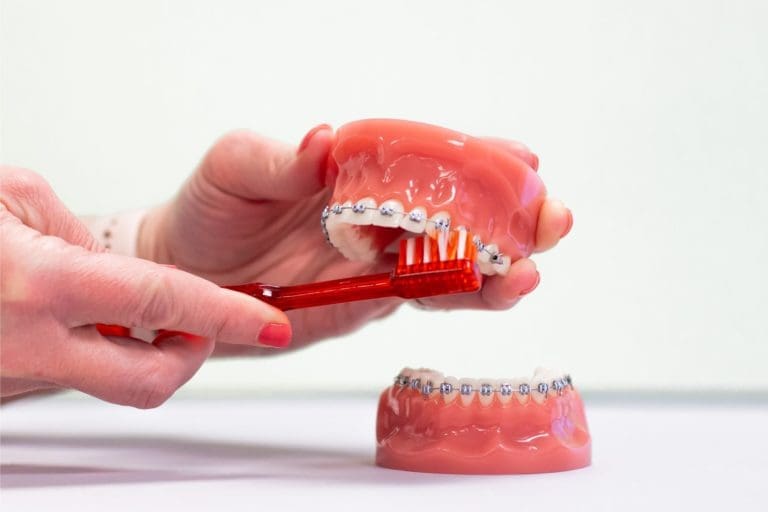
Braces move teeth into better positions and improve the bite, which helps with many types of malocclusion. Clear aligners may be an option for some older children and teens with mild to moderate alignment issues. Each plan is designed around the child’s needs and stage of development.
Managing TMJ Symptoms and Jaw Pain
If a child has TMJ symptoms like jaw clicking, jaw pain, headaches, or jaw locking, the recommendation may include simple jaw rest and a soft diet during flare-ups, habit coaching to reduce teeth grinding or jaw clenching, and a referral for further TMJ evaluation if needed. The focus is on gentle prevention and early care whenever possible.
Working With Other Specialists
Sometimes jaw alignment issues are linked with other health concerns. The team may work with ENT doctors to check for airway obstruction or large tonsils, speech therapists to help with speech difficulties tied to bite or jaw position, and other dental or medical providers when TMJ symptoms or growth concerns are complex. This team approach helps a child get coordinated care.
When Should Your Child See an Orthodontist?
A child does not need to wait until all the adult teeth are in. Many experts suggest an evaluation with an orthodontist by age 7. An earlier consultation makes sense if you notice:
- Early or very late loss of baby teeth
- Ongoing mouth breathing or loud snoring
- Trouble chewing or biting into foods
- A clear overbite, underbite, or crossbite
- Frequent headaches, jaw soreness, or earaches
- Jaw shifting, jaw clicking, or episodes of jaw locking
- Obvious facial asymmetry or an uneven smile
Bite Problems at a Glance
| Bite Problem | What It Looks Like | What It Can Cause |
| Overbite and overjet | Upper front teeth cover too much of the lower front teeth, or stick out well past them | Harder to bite into foods, more front tooth wear and injury risk, effects on smile and confidence |
| Underbite | Lower teeth sit in front of the upper teeth, often linked to a large lower jaw or small upper jaw | Jaw pain, uneven tooth wear, harder chewing and biting |
| Crossbite | Some upper teeth bite inside the lower teeth (front teeth, back teeth, or both) | Uneven jaw growth, facial asymmetry, jaw shifting, extra wear on certain teeth |
| Open bite | Upper and lower front teeth do not touch when the child bites down | Trouble biting foods like sandwiches or apples, some sounds hard to form; often tied to thumb sucking, long-term pacifier use, or tongue thrust |
When Early Treatment Isn’t the Right Fit
Not every child who is evaluated needs treatment right away, and that is a normal outcome. After an exam, the answer is sometimes simple monitoring on a schedule based on the child’s age and growth stage, rather than an appliance.
Timing also cuts both ways. Growth-guiding appliances work best while a child is still growing, so the same concern can call for a different plan a few years later. Clear aligners, for example, may be an option for some older children and teens with mild to moderate alignment issues, but they are not the answer for every bite.
Some concerns point somewhere other than an orthodontic appliance. Signs of airway obstruction may call for an ENT check, and speech difficulties linked to bite or jaw position may call for a speech therapist. Part of a good evaluation is saying which of these paths fits.
What a Jaw and Bite Evaluation Can (and Can’t) Tell You
A jaw and bite evaluation shows how a child’s teeth, bite, and jaw line up and move together. It can reveal facial or jaw asymmetry, signs of overbite, underbite, or crossbite, patterns of tooth wear, and any clicking, popping, or limited opening. When more detail is needed, X-rays and growth records add to the picture.
What it can’t do is turn a home checklist into a diagnosis, or predict exactly how a child’s jaws will grow. That is why the result is often a custom treatment plan or a monitoring schedule rather than a one-time answer. Complex jaw discrepancies or TMJ symptoms may need extra imaging or input from other providers before a plan is final.
Families who have noticed several red flag signs can schedule your jaw and bite consultation to get clear answers about what the exam finds.
How Pediatric Dentistry and Orthodontics of Forsyth Evaluates Jaw Alignment
The practice offers a gentle, kid-friendly examination and diagnosis for jaw and bite concerns. The visit follows three steps.
Step 1: Review of health and habits. The team talks with parent and child about any symptoms noticed, childhood habits such as thumb sucking, pacifier use, or tongue thrust, teeth grinding or jaw clenching during sleep, and any history of injuries, allergies, or breathing issues. This gives the big picture of a child’s development.
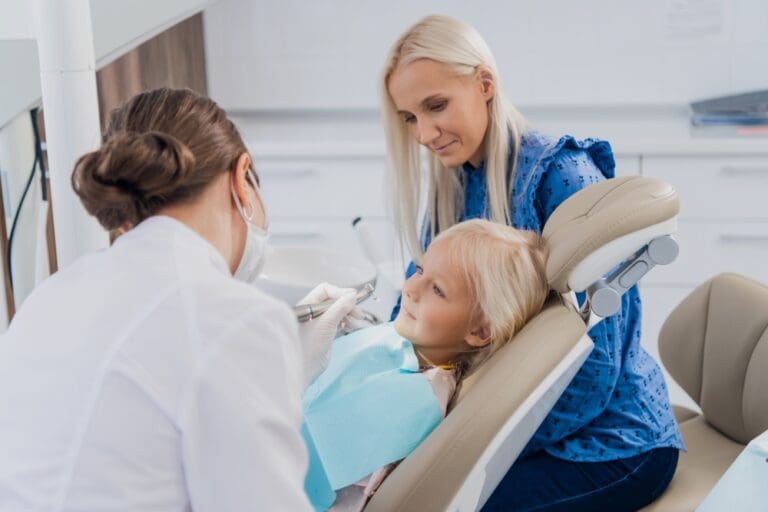
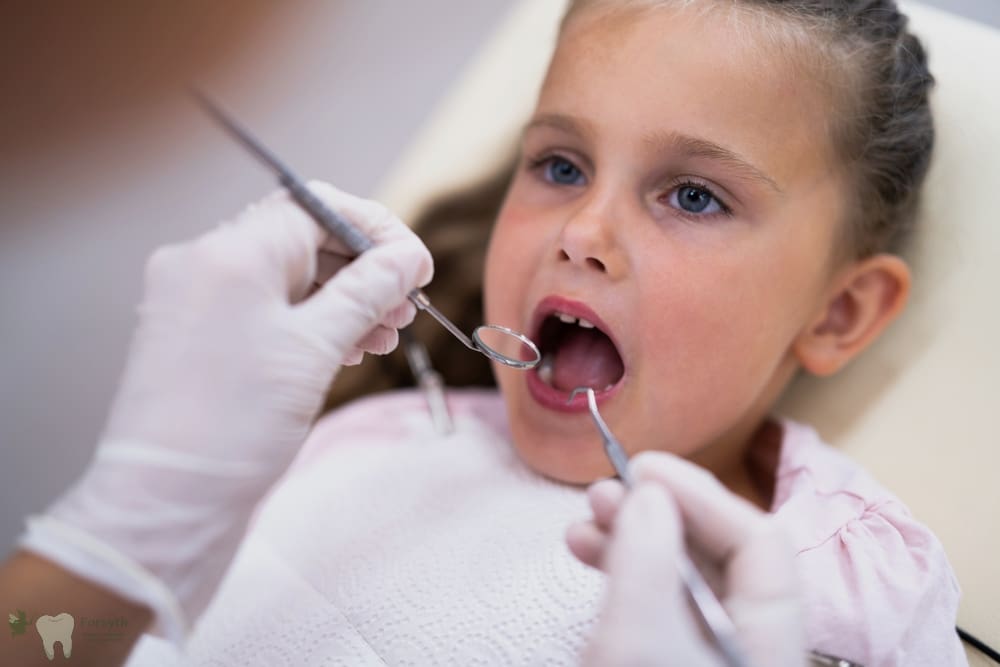
Step 2: Clinical examination. The team gently examines the teeth, bite, and jaw, looking for asymmetry in the face or jaw, signs of overbite, underbite, or crossbite, patterns of tooth wear, crowding, or spacing, and any jaw clicking, popping, or limited opening. They also watch how the child closes the teeth together and how the jaw moves.
Step 3: Imaging and growth monitoring. When needed, digital X-rays track teeth and eruption problems, and growth records show jaw growth over time. In some cases, 3D imaging or other scans may be used for complex jaw discrepancies or TMJ symptoms. The team then creates a custom treatment plan or monitoring schedule based on the child’s age and growth stage.
During the visit, parents can expect a gentle check, any needed X-rays, and a clear talk about what the team sees, including whether simple monitoring or early intervention makes sense.
Frequently Asked Questions
Is Invisalign covered by insurance for kids?
Invisalign coverage for children depends on the dental insurance plan. Many plans include some orthodontic benefits that may help cover Invisalign, especially if treatment is considered necessary for a child’s dental health. The best way to know for sure is to contact the insurance provider and ask about orthodontic coverage for kids.
How much does it cost to get Invisalign for kids?
The cost of Invisalign for children usually ranges from about $3,000 to $5,000. The final price depends on factors like how complex the case is, how long treatment lasts, and the orthodontist’s experience. An orthodontist can give a clear estimate and explain payment plans or financing options to help manage the cost.
Is TMJ common in children?
TMJ disorders are less common in children than in adults, but they can still happen. Kids may develop TMJ symptoms from teeth grinding, jaw clenching, or jaw injuries. If a child has jaw pain, clicking, or trouble chewing, it’s a good idea to have them checked by a dentist or healthcare provider for proper evaluation and care.
At what age should a child have a first jaw and bite check?
Many experts suggest an evaluation with an orthodontist by age 7, and a first jaw and bite check around that age can catch growth problems early, when they are often easier to address. An earlier visit makes sense if a child shows signs like early or very late loss of baby teeth, ongoing mouth breathing, trouble chewing, or jaw clicking or locking.
Can thumb sucking or pacifier use affect a child’s jaw?
Yes. Thumb sucking or long-term pacifier use past age 3 to 4 can push teeth and jaws out of place, which may lead to an open bite or increased overjet. These habits are easier to correct at a younger age, so mentioning them at an early evaluation is worthwhile.
Sources. Standard pediatric dentistry and orthodontic guidance on malocclusion types and early evaluation around age 7, stated qualitatively. Clinical guidance and evaluation process from Pediatric Dentistry and Orthodontics of Forsyth, Cumming, GA. Additional professional input from Dr. Nicole Crasto, Queen City Orthodontics, Liberty Township and Hamilton, OH, and Dr. Granit Morina, Smile Orthodontics, Gardner and Leominster, MA.
Related Reading
Get Your Child’s Jaw and Bite Checked in Cumming
At Pediatric Dentistry and Orthodontics of Forsyth in Cumming, GA, a jaw and bite evaluation covers a gentle exam, any needed X-rays, and a clear talk about whether monitoring or early treatment makes sense.
Schedule Your Free Orthodontic Consultation
Free orthodontic consultation in Cumming, GA.