
Looking for the best toothbrush for kids by age? Selecting the right toothbrush is essential for building a solid brushing routine that promotes healthy teeth and gums. A well-chosen toothbrush, tailored to each child’s developmental stage, makes brushing fun and empowers children to take dental care as a step toward independence.
Read on to find the best toothbrush for kids by age and see expert tips from Cumming dentists to help your child build strong, healthy brushing habits.

Why Picking the Right Toothbrush Matters
Toothbrushes aren’t one-size-fits-all, especially for kids. Each stage of a child’s growth requires brushes suited for their motor skills, oral health needs, and comfort. Choosing a toothbrush with features such as soft bristles, proper handle materials, and the right size helps young users clean every surface effectively. This not only prevents dental problems like plaque buildup but also fosters long-term motivation for good oral health habits. According to Dr. Tate Chauncey, a well-known orthodontist in Henderson, NV, the right toothbrush can help kids feel good about brushing and keep away cavities as they grow.
Key Features to Consider
Age Recommendations
When toothbrushes are designed for specific ages, they’re easier for kids to hold and use safely. The right size and shape help them clean their teeth better without strain. It also makes brushing feel more fun and comfortable for young children.
Bristle Softness
Soft bristles are gentle on kids’ tooth enamel and sensitive gums. According to Dr. Mark Komforti, a professional orthodontist in St. Augustine, FL, softer bristles not only clean effectively but also reduce the risk of future dental sensitivity caused by overzealous brushing.
Handle Design
Comfortable handle materials and non-slip grips give kids better dexterity, allowing them to brush more effectively. Large, ergonomic handles are suited for younger children, while sleeker designs are better for older kids with advanced control.
Brush Head Size
Smaller heads fit better in little mouths, allowing for proper plaque removal. A well-sized brush head helps reach back teeth where plaque often hides. It also makes brushing easier and quicker for young kids learning proper brushing skills.
Toothbrush Recommendations by Age
As children grow, their brushing needs change. Here are toothbrush tips tailored to each age group:
1. Babies (0–2 Years)
Even before teeth come in, cleaning a baby’s gums is vital. Once baby teeth emerge, the right toothbrush can gently clean their delicate teeth and gums.
Features to Look For:
- Extra-soft bristles to prevent irritation.
- A small brush head to fit tiny mouths.
- Parent-friendly handles for easy control.
Recommendations:
- Finger Brushes: These soft silicone brushes fit over an adult’s finger and are ideal for cleaning gums and first teeth.
- Baby Toothbrushes: Brands like Frida Baby or NUK offer gentle, soft-bristled options made for infants.
2. Toddlers (2–4 Years)
Toddlers are eager to explore their independence. A toothbrush they can handle confidently helps build a sense of achievement.
Features to Look For:
- Soft bristles to protect sensitive gums and enamel.
- Thick, easy-to-grip handles.
- Small brush heads to clean tiny teeth effectively.
- Fun designs or character themes to motivate kids to brush.
Recommendations:
- Manual Toothbrushes: Colgate My First and Oral-B Kids make colorful brushes that feature favorite cartoon characters, boosting excitement about brushing.
- Electric Toothbrushes: Some beginner electric brushes, like the Oral-B Kids Electric, include built-in timers, ensuring proper brushing duration.
Making brushing enjoyable with apps, songs, or simple rewards can help toddlers get into a daily brushing routine.
3. Kids (5–8 Years)
As motor skills improve, kids in this age range can start brushing independently. Supervision is still important to make sure they’re brushing for long enough and with the right technique.
Features to Look For:
- Soft-bristled brushes to protect teeth and gums.
- Larger handles designed for better grip and control.
- Playful designs to keep brushing fun.
- ADA Seal of Acceptance, which guarantees safety and effectiveness.
Recommendations:
- Electric Toothbrushes: The Philips Sonicare for Kids has Bluetooth app connectivity, letting kids track their progress and earn rewards for good brushing.
- Manual Toothbrushes: Crayola-themed brushes or similar fun designs keep brushing exciting.
Teach kids to use small, circular motions as they brush, covering all sides of their teeth and gums to ensure proper plaque removal.
4. Preteens (9–12 Years)
Preteens can take on most of their oral hygiene needs with minimal help, but it’s crucial to continue guiding them toward consistent habits, especially as their permanent teeth grow in.
Features to Look For:
- Soft bristles to protect new enamel.
- Sleek handles designed for larger hands.
- Advanced electric features, like toothbrushes with timers or connected apps.
Recommendations:
- Electric Toothbrushes: The Oral-B Smartseries includes features like built-in reminders for brushing each tooth surface and progress tracking.
- Manual Toothbrushes: Bold colors and sleek designs still appeal to this age group.
Fluoride toothpaste helps protect preteens’ teeth as their brushing habits improve.
Electric vs. Manual Toothbrushes
Which type of toothbrush is better for your child? Both electric and manual options can clean teeth effectively, but each comes with its own advantages.
Electric Toothbrushes
Pros:
- Built-in timers ensure kids brush long enough.
- Rotating heads help with proper plaque removal.
- Apps and fun music features make brushing more engaging.
Cons:
- Higher cost compared to manual toothbrushes.
- Some younger children might feel discomfort from the vibrations.
Manual Toothbrushes
Pros:
- Affordable and widely available.
- Lightweight, making them perfect for travel or on-the-go use.
- Parents can easily replace them when needed.
Cons:
- Kids need to practice proper brushing techniques to clean effectively.
- No built-in features like timers or reminders.
Ultimately, the choice depends on your child’s preferences, brushing habits, and your budget.
Brushing Tips for Parents
Here’s how parents can help kids build strong brushing habits:
- Brush Together: Watching you brush helps kids understand good brushing technique.
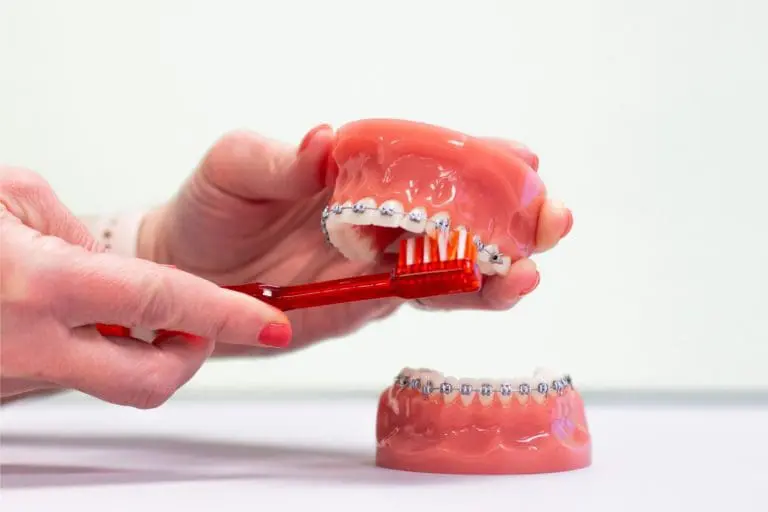
- Keep It Simple: Use small circular motions and encourage them to brush each tooth thoroughly.
- Make It Fun: Play a song or use an app to make brushing more interactive.
- Stay Involved: Check progress to make sure they’re brushing correctly until they’re fully independent.
- Teach Clean Storage: Show your child how to store their toothbrush upright in a dry spot to avoid bacteria buildup.
Where to Buy Kid-Friendly Toothbrushes in Cumming
Parents in Cumming, GA, have plenty of options when it comes to finding the right toothbrush for their children. Local pharmacies like CVS, Rite Aid, and Walgreens carry trusted kids’ toothbrush brands. Grocery stores such as Walmart, Kroger, and Publix offer affordable, ADA-approved options for all ages. For added convenience, online retailers like Amazon provide a wide variety of toothbrushes with home delivery.

A Smile Starts with the Right Toothbrush
At Pediatric Dentistry of Forsyth & Orthodontics, we help kids of all ages master good oral hygiene habits. From choosing the right toothbrush size to teaching proper brushing techniques, our team is here to support your family’s dental health.
Schedule an appointment today with our friendly pediatric dental team in Cumming, GA, and take the first step toward a lifetime of healthy, happy smiles!
About The Authors
Dr. Karl Lugus – Pediatric Dentist in Cumming, GA
Dr. Mark Komforti – Orthodontist in St. Augustine, FL
Frequently Asked Questions
Does an overbite get worse with age?
It can, but not always. As we age, our teeth can slowly shift, which may make an overbite more noticeable. But don’t worry! With good dental care and regular check-ups, you can keep it under control. If you’re concerned, your dentist can suggest ways to stop it from getting worse. Remember, everyone’s mouth is different, so your experience may not be the same as someone else’s. The best thing you can do is take care of your teeth and talk to your dentist if you see any changes
Can I fix an underbite completely?
The good news is that most underbites can be fixed. The right treatment depends on how serious the underbite is. Your dentist or orthodontist might suggest braces, clear aligners, or even jaw surgery for more severe cases. Everyone’s teeth are different, so your treatment plan may not be the same as someone else’s. The important thing is to visit a professional who can check your bite and find the best solution for you.
Do forks cause overbites?
Don’t worry, forks don’t cause overbites. That’s just a myth. Overbites usually come from genetics or habits like thumb-sucking during childhood. Your fork isn’t to blame. So enjoy your meals without any worry, your utensils are safe for your teeth.